













Shenzhen Chuangxinjia Smart Tech Co., Ltd.
-
 +8615919897308
  info@nfctagfactory.com
+8615919897308 info@nfctagfactory.com RFID blocking cards promise to protect your sensitive information from digital theft, but do they actually work? This comprehensive guide examines the technology, security effectiveness, and real-world performance of RFID blockers based on scientific testing and expert analysis.
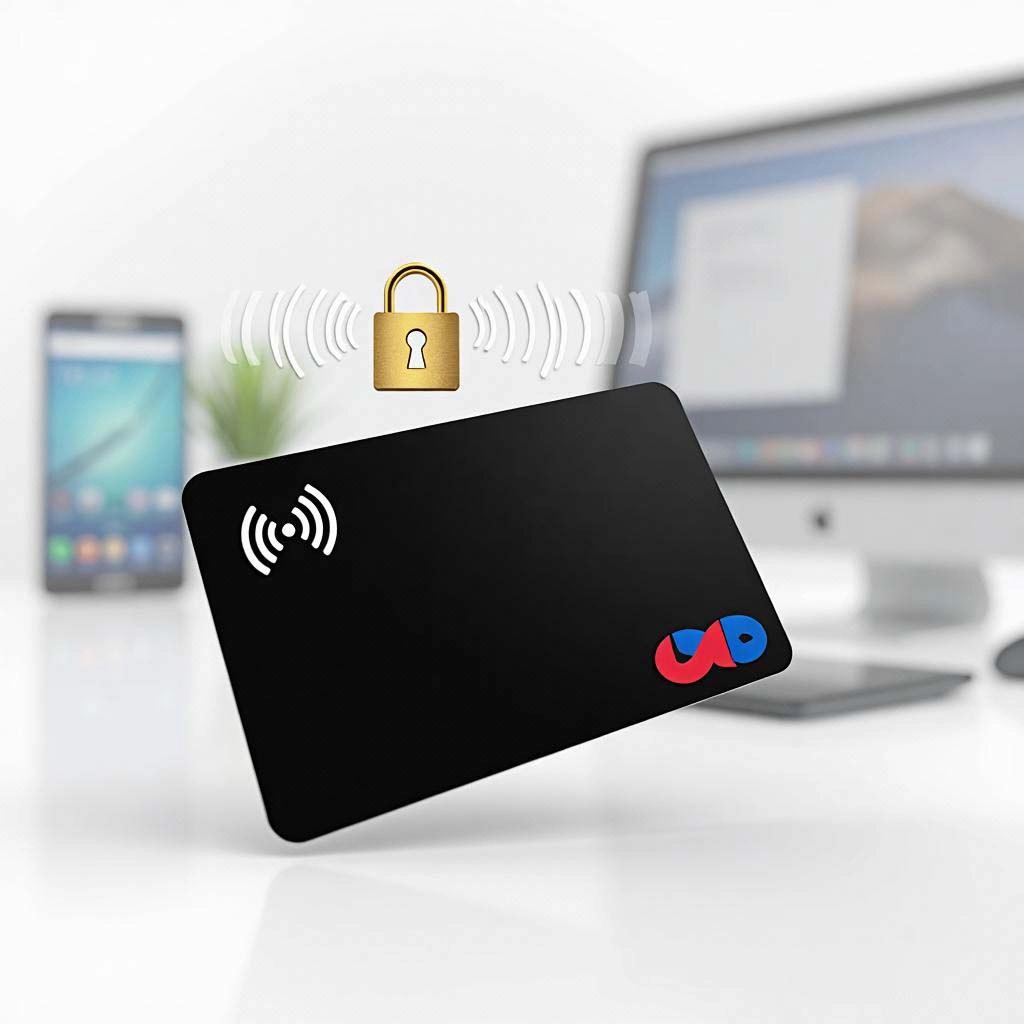
RFID blocking cards contain a thin metal layer (typically aluminum or copper) that creates a Faraday cage effect. This electromagnetic shield prevents RFID signals at 13.56MHz (the frequency used by contactless payment systems) from being intercepted.
Note: Does not protect against UHF RFID signals (900MHz) used in inventory tracking systems.
| Protected Items | Effectiveness | Limitations |
|---|---|---|
| Contactless credit cards | Highly effective | Must be placed adjacent to blocker |
| E-passports | Effective | Only protects when closed |
| Hotel keycards | Effective | May require repositioning |
For normal operation of protected cards:
AV-TEST (2023) confirmed blocking effectiveness in 98% of unauthorized scan attempts when properly implemented.
Consumer Reports noted variation in effectiveness based on wallet material and card placement, with metal wallets showing highest protection.
| Product Type | Price Range | Purchase Channels |
|---|---|---|
| Basic RFID cards | $5-$15 | Amazon, security retailers,cxj |
| Premium solutions | $20-$50 | Specialty security stores,cxj |
RFID blocking cards provide effective protection against wireless skimming attacks when used correctly. However, they should be considered one component of a comprehensive security strategy that includes transaction monitoring and strong authentication practices.
Recommended for:
| Alternative | Advantages | Disadvantages |
|---|---|---|
| RFID-blocking wallets | Complete protection | Bulkier design |
| Card deactivation | Permanent solution | Limited availability |
| Transaction alerts | Real-time monitoring | Doesn't prevent scanning |